If you’ve ever wondered why nutritionists keep talking about variety in your diet, here’s the reason: your gut thrives on diversity. In fact, aiming for 30 different plants each week – a goal made famous by the American Gut Project and supported by emerging research – might be one of the most powerful ways to nurture your gut microbiome.
Your gut microbiome is the community of trillions of bacteria, fungi, and other microorganisms living in your digestive tract. These microbes influence everything from digestion and immunity to inflammation, metabolism, and even mental health. And the single most significant factor shaping your gut health? What you eat.
A recent systematic review of interventional studies found that shifting towards a plant-rich diet led to measurable improvements in gut microbiota composition, anti-inflammatory activity, and markers of metabolic health. In other words, the more plants you eat, the happier your gut microbes and the healthier you may feel.
So why does “30 plants a week” matter, and what does that actually look like in everyday Australian life? Let’s break it down.
Plants Feed the Good Guys in Your Gut
Different plants provide different types of fibre and phytochemicals (compounds that act as food for your gut microbes). When bacteria ferment these fibres, they produce short-chain fatty acids (SCFAs) such as butyrate, acetate, and propionate, which play crucial roles in:
- Strengthening the gut lining
- Reducing inflammation throughout the body
- Supporting a healthy immune system
- Regulating metabolism and blood sugar control
The review showed that plant-based diets increased beneficial bacteria families like Ruminococcaceae, Lachnospiraceae, and Faecalibacterium prausnitzii – all linked to higher SCFA production and lower inflammation.
Diversity Matters More Than Perfection
You don’t need to go vegan or cut out all animal foods to see benefits. Even small shifts towards plant diversity, whether you’re an omnivore, pescatarian, or flexitarian, support gut health.
The review highlighted that across different populations (from healthy adults to people with diabetes or cardiovascular disease), simply increasing the variety of plant foods improved microbiome diversity and was associated with lower cholesterol, reduced inflammation, and better blood sugar balance.
The takeaway: it’s not about eating “perfectly,” but about creating variety over time.
What Counts Towards 30 Plants a Week?
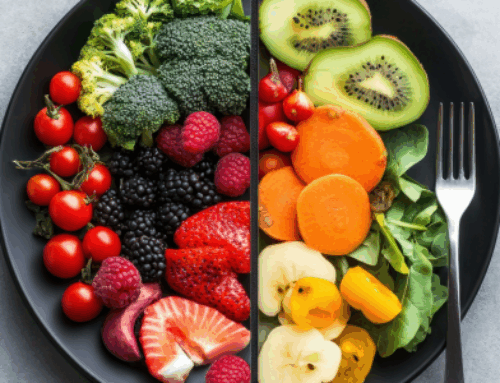
Here’s the good news. Hitting 30 plants per week is easier than you think. Every type of plant counts:
- Vegetables: from broccoli and pumpkin to zucchini and kale
- Fruits: fresh, frozen, or tinned in juice (e.g., berries, bananas, oranges, mangoes)
- Legumes: lentils, chickpeas, black beans, soybeans, the list goes on
- Wholegrains: from the usual suspects of wheat, oats, quinoa, brown rice, and barley to the lesser-knowns like teff and sorghum
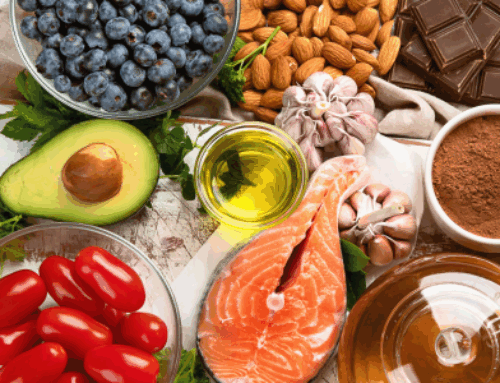
- Nuts and seeds: almonds, walnuts, chia seeds, flaxseeds, to name a few
- Herbs and spices: parsley, coriander, turmeric, cinnamon, the list continues!
That means a sprinkle of sesame seeds, a handful of rocket, or some lentils in your soup all contribute to your weekly count.

The Gut Health Ripple Effect
A healthier gut doesn’t just mean smoother digestion. The review also found that greater plant intake was linked to:
- Lower cholesterol and blood pressure – supporting heart health
- Improved blood sugar control – reducing diabetes risk
- Reduced body fat and inflammation – supporting long-term metabolic health
- Better immune regulation – with potential benefits for autoimmune conditions
In fact, changes in the microbiome were seen within just five days of switching diets in one trial. Imagine what can happen over the long-term!
5 Easy Ways to Hit 30 Plants This Week
- Mix your grains – try half brown rice, half quinoa.
- Snack smart – swap biscuits for mixed nuts and dried fruit.
- Go rainbow with veggies – add an extra colour to every meal.
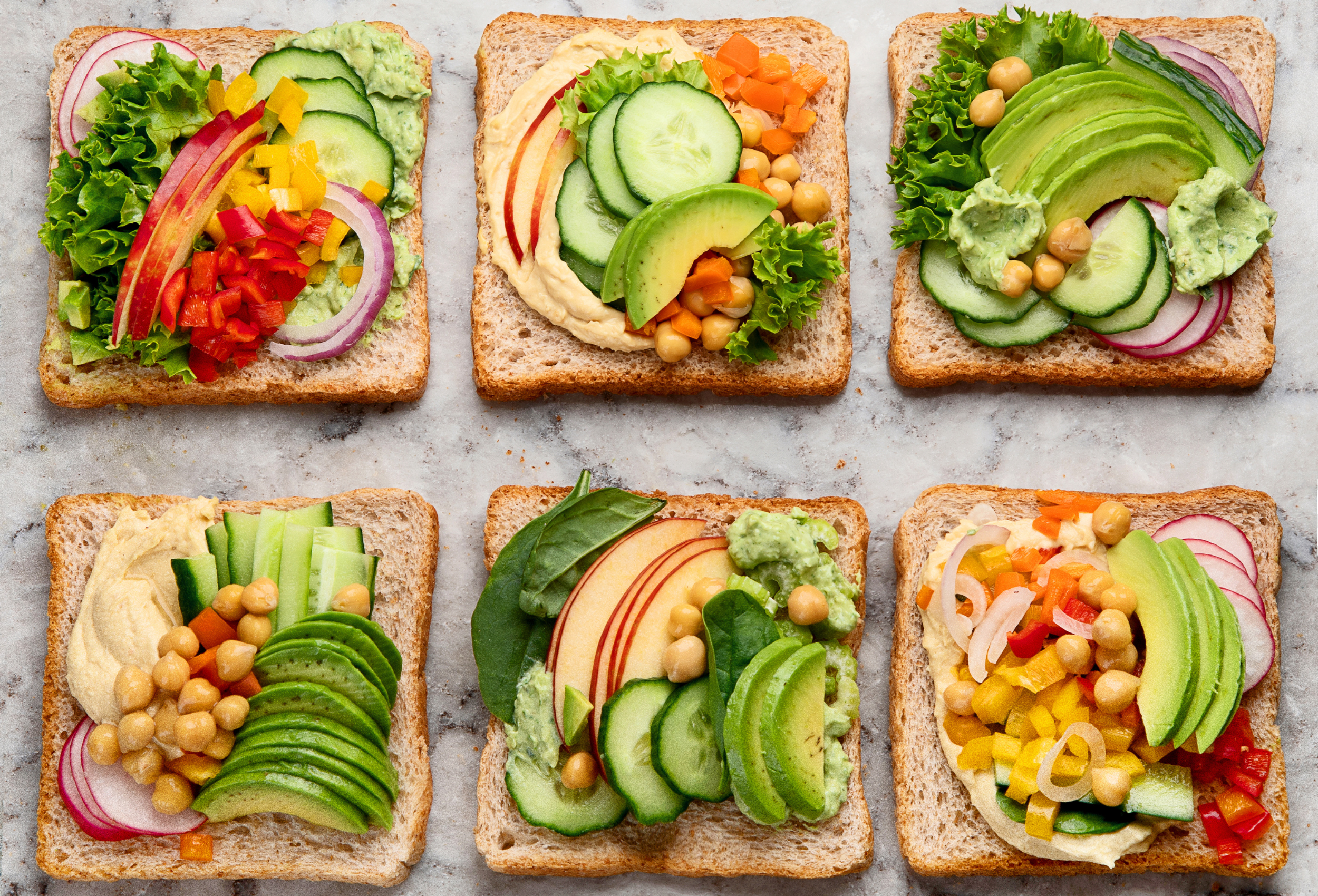
- Upgrade your toast – top with hummus and sprouts instead of just butter.
- Spice it up – herbs and spices all count, so get generous with them.
Remember: the goal isn’t perfection—it’s progress. Each week, challenge yourself to add one or two new plants.
The Bottom Line
Your gut loves variety, and feeding it 30 different plants each week is one of the most practical, science-backed habits you can build for long-term health. From reducing inflammation to supporting heart health and blood sugar balance, the benefits go far beyond digestion.
At Ayla Health, we believe food should feel empowering, not overwhelming. That’s why we’ve created a simple 30 Plants Checklist to help you track your weekly variety.
Download your free checklist here and start nourishing your gut with 30 plants this week. 
References
- Sidhu, S.R.K.; Kok, C.W.; Kunasegaran, T.; Ramadas, A. Effect of Plant-Based Diets on Gut Microbiota: A Systematic Review of Interventional Studies. Nutrients 2023, 15, 1510. https://doi.org/10.3390/nu15061510
- McDonald D, Hyde E, Debelius JW, Morton JT,Gonzalez A, Ackermann G, Aksenov AABehsaz B,Brennan C, Chen Y, DeRight Goldasich L, Dorrestein PCDunn RR, Fahimipour AK, Gaffney J, Gilbert JAGogul G, Green JL, Hugenholtz P, Humphrey G,Huttenhower CJackson MA, Janssen S, Jeste DVJiang L, Kelley ST, Knights DKosciolek T, Ladau J,Leach J, Marotz C, Meleshko D, Melnik AVMetcalf JL,Mohimani H, Montassier ENavas-Molina J, Nguyen TTPeddada S, Pevzner PPollard KS, Rahnavard GRobbins-Pianka A, Sangwan N, Shorenstein J,Smarr LSong SJ, Spector T, Swafford AD, Thackray VG, Thompson LRTripathi A, Vázquez-Baeza Y,Vrbanac A, Wischmeyer PWolfe E, Zhu Q, , Knight R2018.American Gut: an Open Platform for Citizen Science Microbiome Research. mSystems3:10.1128/msystems.00031-18.https://doi.org/10.1128/msystems.00031-18