Rebuilding trust with food after years of dieting
If you’ve spent years following diets, obsessing over calories, or trying to eat “perfectly,” the idea of nourishment might feel unfamiliar. For many people, the word “nourish” sounds lovely, but vague. What does it really mean?
At Ayla Health, we see this question all the time. Our members often feel burnt out from food rules and are confused by the conflicting advice they’ve absorbed over the years. They want to eat well but feel disconnected from their bodies and overwhelmed by nutrition information and all the “noise”.
So let’s break it down. What does it actually mean to nourish your body? And how do you do it in a way that feels achievable and sustainable?
Nourishment is not the same as dieting
Nourishment is about supporting your body’s needs, not controlling or shrinking it. Diet culture teaches us that eating is a moral act, something we have to “get right.” We associate food with what it will do to our weight, and subsequently, our food choices directly influence our body image and self-worth. Nourishment takes a very different approach.
It’s not about restriction or perfection. It’s about care.
When you nourish your body, you:
- Honour hunger and fullness, instead of ignoring them
- Choose foods that energise and satisfy, not just foods that are low in calories
- Eat regularly, so your body feels safe and steady
- Let food be enjoyable, not stressful
- Make decisions that support both physical health and emotional well-being
This doesn’t mean you’ll always get it right. But nourishment allows for imperfection. It’s flexible and forgiving.
Balanced meals are a key part of nourishment
When you’re recovering from rigid food rules, it can be hard to know what a balanced meal actually looks like. You may be used to tracking macros, cutting carbs, or building meals around what feels “safe.”
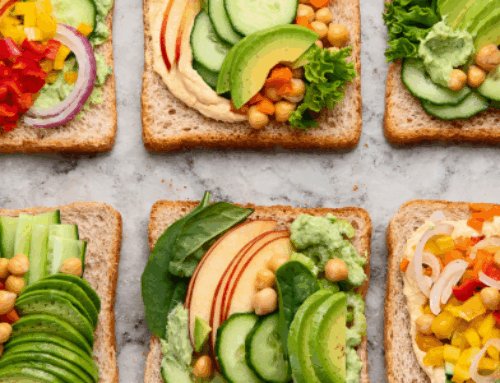
At Ayla Health, we keep it simple. A balanced meal typically includes:
- A source of carbohydrates for energy
- A source of protein to keep you full
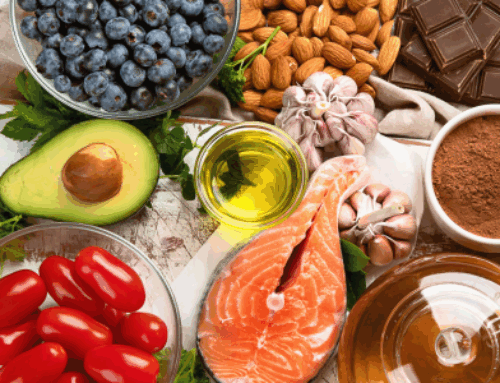
- Some healthy fats for satiety and hormone health
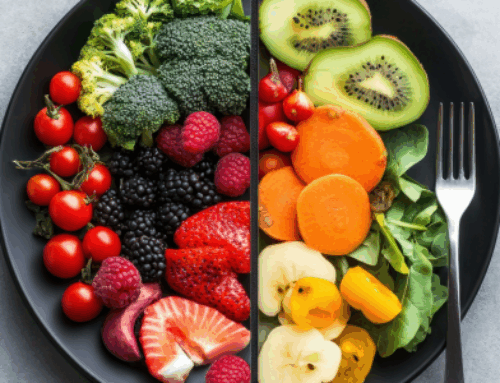
- Fibre and colour from fruits and vegetables
This is not a rule. It’s a framework to help guide you. It’s something to build around, not stress about.
Some examples of balanced meals:
- Easy Dumpling Salad
- Baja Style Mini Fish Tacos
- Harissa Chicken Wraps & Avocado Sauce
- Spinach, Pumpkin & Chicken Pizza
These meals are nourishing because they provide both nutrients and satisfaction. They support your body’s needs while also tasting good and fitting into your life. And we’ve got hundreds more in the Ayla Health App.
Nourishment is about addition, not subtraction
Diet culture tells us to cut things out. Nourishment encourages you to add things in.
You might add:
- A piece of fruit with your afternoon snack
- A glass of water when you wake up
- A side of vegetables with your dinner
- A more filling breakfast to support energy and concentration
- A moment of quiet before you eat, to check in with your body
These small actions build trust between you and your body. They help you reconnect with your internal cues, rather than outsourcing your eating to external rules.
You are allowed to enjoy your food
Nourishment includes pleasure. It includes your favourite meals, your comfort foods, your family recipes. Eating well doesn’t mean eating “clean” all the time. It means eating in a way that honours your health and your joy.
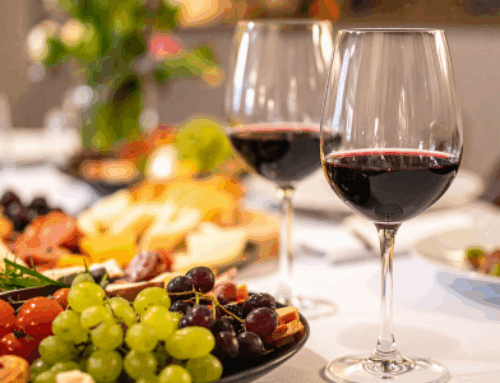
If chocolate, takeaway, or a glass of wine is part of your life, that’s okay. These foods don’t cancel out your progress or make you unhealthy. They’re just part of the bigger picture.
When food becomes less about control and more about care, it stops being stressful. It becomes just another way you look after yourself.
Ready to rebuild your relationship with food?
The Ayla Health App is designed to help you nourish your body, one habit at a time. You’ll learn how to create balanced meals, listen to your hunger, and let go of food guilt. No rules. No tracking. Just small steps that build long-term confidence.
Get Ayla Health Now!
Download, sign up and access the entire recipe library for FREE!