
Supporting your health through every stage of this transition
Menopause is a significant transition: physically, emotionally, and mentally. But for many women, it also comes with confusion, frustration, and a sense of feeling overlooked.
At Ayla Health, we’d like to change that.
Your body is shifting. Hormones are changing. And the way you support yourself through food, movement, and lifestyle is an essential part of looking after yourself. However, self care should not mean more stress or pressure.
You don’t need a restrictive meal plan or a new diet trend. What you need is clarity on how your nutritional needs change during menopause, and confidence to make adjustments that actually support your health.
Let’s break down what your body needs now and how to nourish yourself through this powerful season of life.
How Menopause Affects Your Body
Menopause is defined as the point 12 months after your last menstrual cycle. But the changes start years before that, during perimenopause.
Oestrogen and progesterone levels begin to decline, and with them come changes in:
- Bone density
- Muscle mass and metabolism
- Insulin sensitivity
- Sleep quality and mood
- Body composition and appetite
These shifts are not your fault. They’re a normal response to the changing hormone profile of your body. The loss of oestrogen and the subsequent changes listed above increase a post-menopausal woman’s risk of poor health. The good news is, nutrition can play a significant role in minimising this risk and helping you feel stronger, steadier, and more in control.
Key Nutrients to Focus On During Menopause
Protein
As oestrogen declines, so does muscle mass. This impacts strength, energy, and metabolism. Protein becomes even more important to help preserve lean tissue, prevent age-related muscle loss as well as support health, strong bones.
Aim to include a quality protein source in all main meals and some snacks. This can include eggs, yoghurt, legumes, fish, tofu, chicken, or beef.
Calcium and Vitamin D
Bone loss accelerates during and after menopause, increasing the risk of fractures and osteoporosis.
Calcium needs increase to around 1,300 mg per day for women over 50. Include dairy foods, calcium-fortified plant milks, tofu set with calcium, and leafy greens.
Vitamin D supports calcium absorption and immune function. Safe sun exposure, fatty fish, and fortified foods help, but supplementation is often recommended based on your levels. Chat to your GP or dietitian before taking a supplement.
Fibre
Hormonal changes can lead to shifts in digestion, cholesterol, and your body’s insulin response. A high-fibre diet supports gut health, blood sugar regulation, and heart health.
Focus on vegetables, fruit, legumes, oats, barley, whole grains, and nuts and seeds. Gradually increase your fibre if you’re not used to eating a lot, and make sure to stay hydrated.
Omega-3s
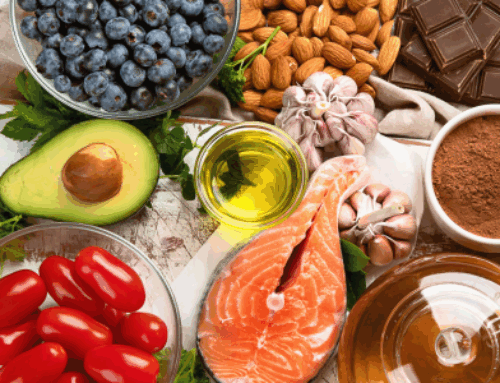
Omega-3 fats can support heart health, reduce inflammation, and may help with mood regulation. They’re found in oily fish like salmon and sardines, as well as chia seeds, flaxseeds, and walnuts.
Aim for 2 to 3 serves of oily fish per week, or consider a supplement if you don’t eat fish regularly.
Iron (for perimenopause)
If you’re still menstruating during perimenopause, iron remains important. Include red meat, poultry, legumes, green vegetables, and iron-fortified cereals, and pair plant-based sources with vitamin C for better absorption.
What Else Matters Besides Nutrients?
Nutrition is important, but it’s not everything. Other supportive practices include:
- Regular resistance training to maintain strength and support metabolism
- Stress management techniques like walking, journaling, breathing exercises, or time in nature
- Sleep routines to support mood, appetite, and energy
- Body kindness and self-compassion, especially around changes in weight or shape
Menopause is not a failure or a flaw. It’s a natural life stage and you deserve support that respects that.
How Ayla Health Can Help
We’ve created a dedicated Menopause Nutrition Pathway in the Ayla Health app to support you through this transition. It’s not a diet. It’s a step-by-step guide to creating habits to put the advice we’ve outlined above into practice. It will help you:
- Understand how your needs are changing
- Build meals that meet those needs
- Stay consistent with nourishing habits
- Let go of food guilt and rigid rules
- Focus on health without pressure to shrink your body
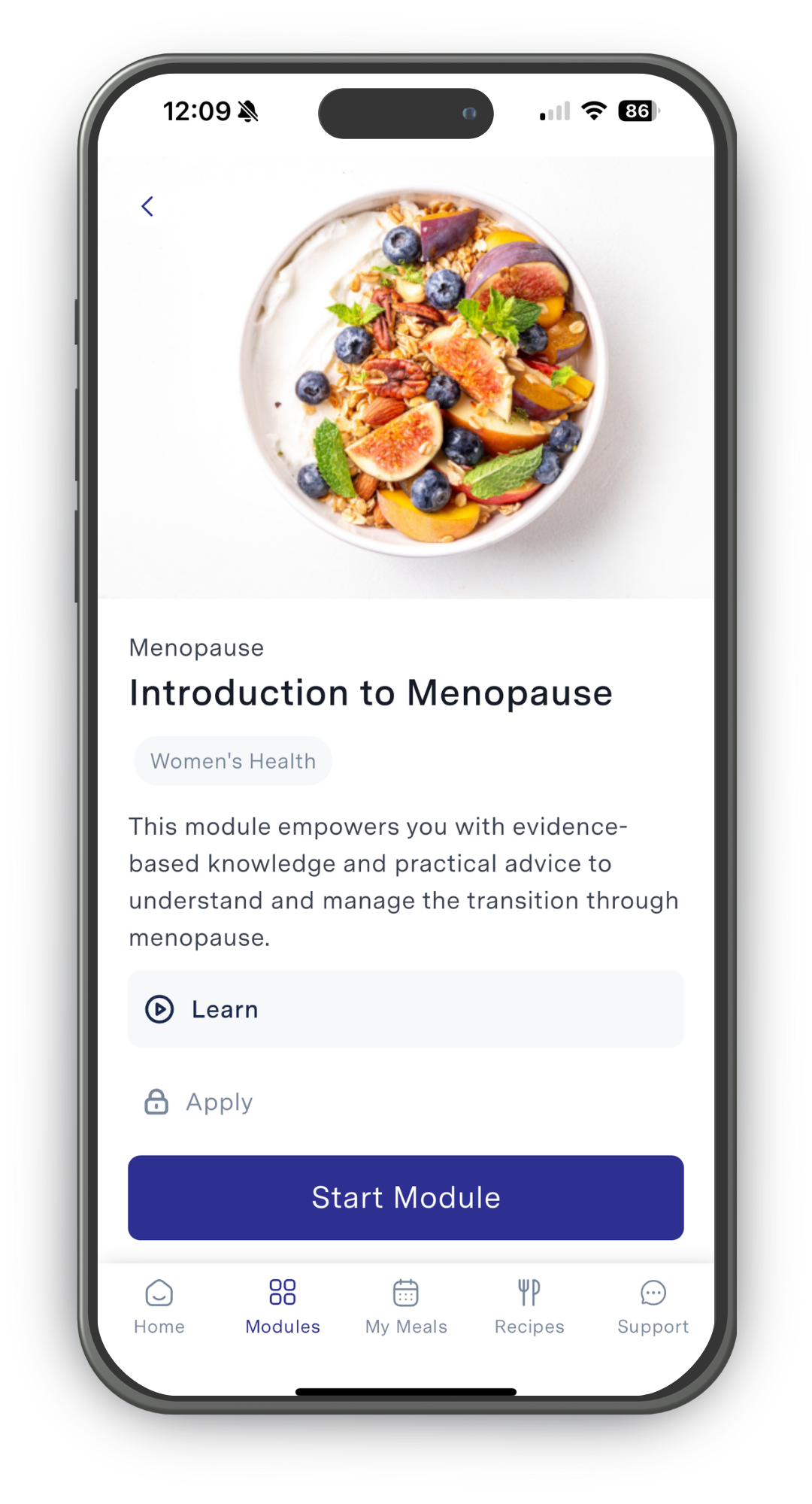
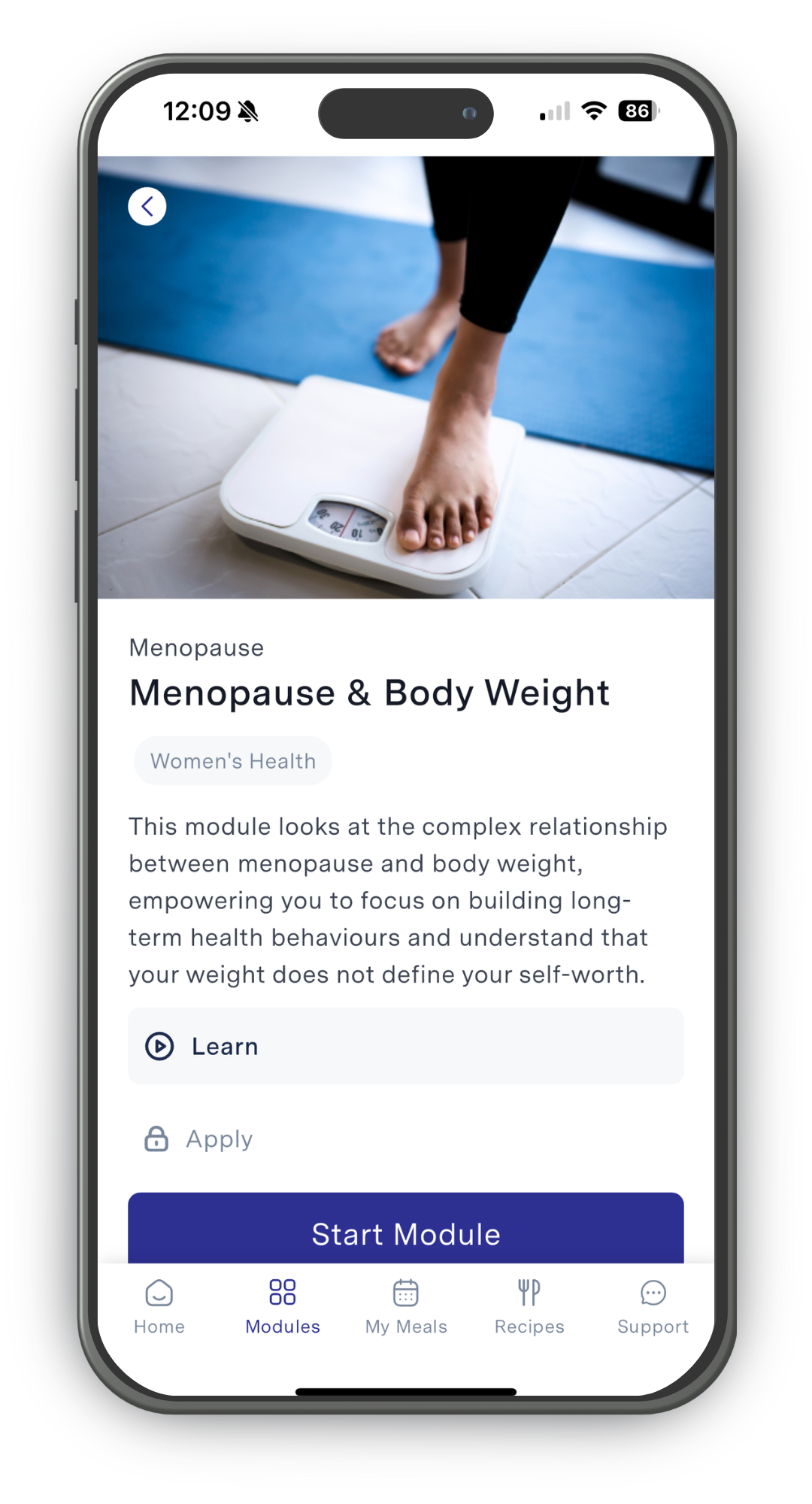
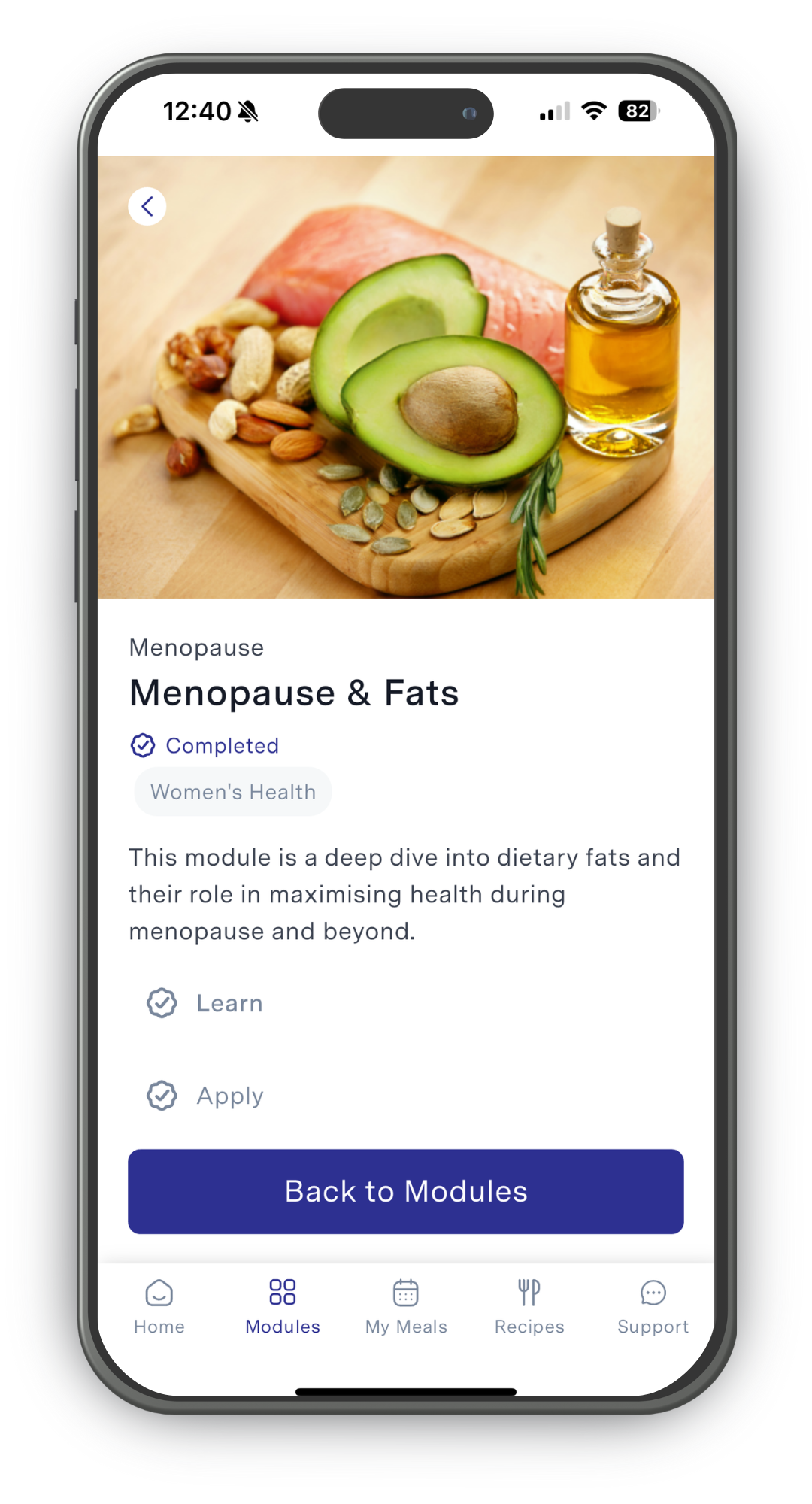
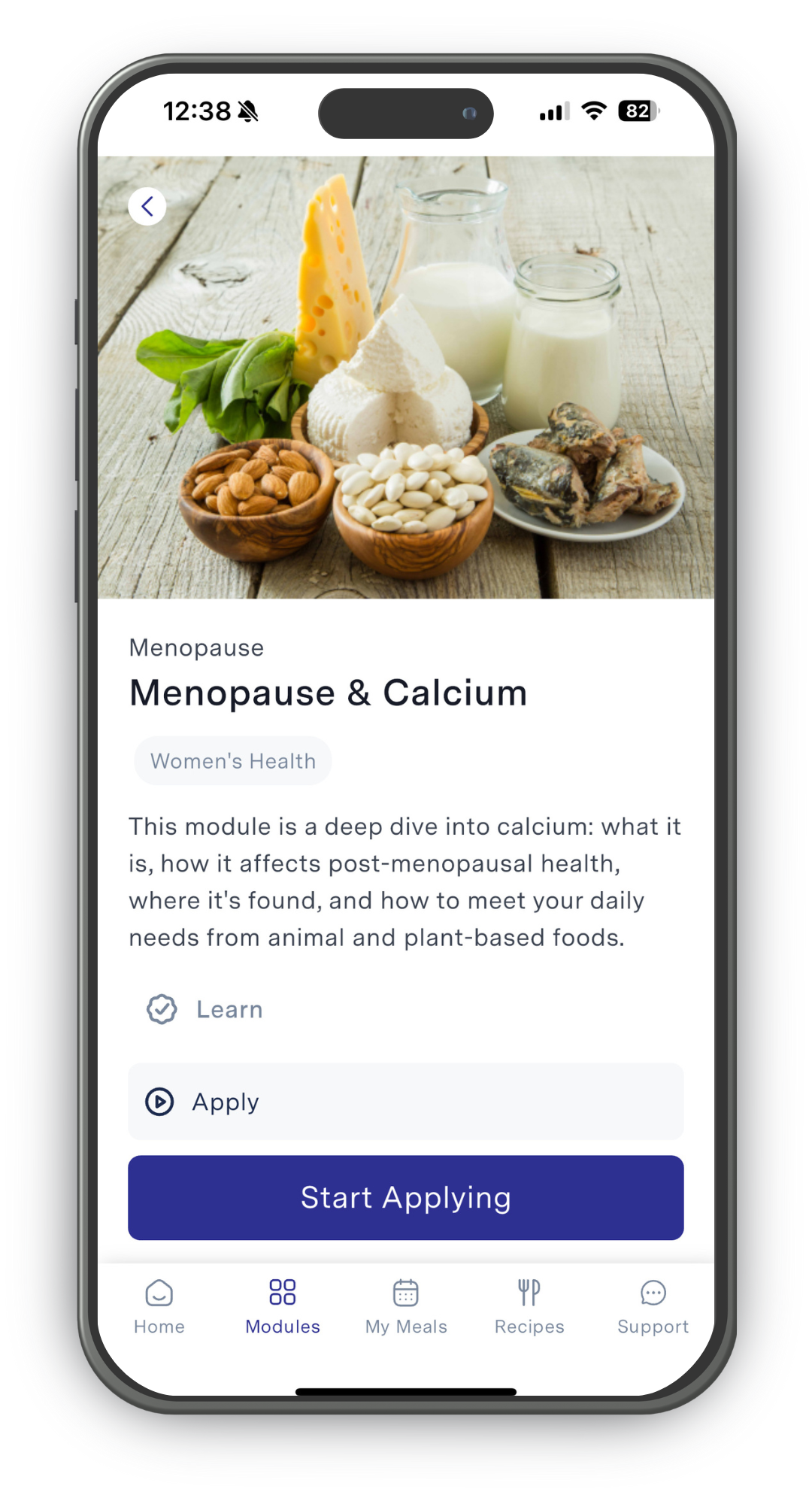
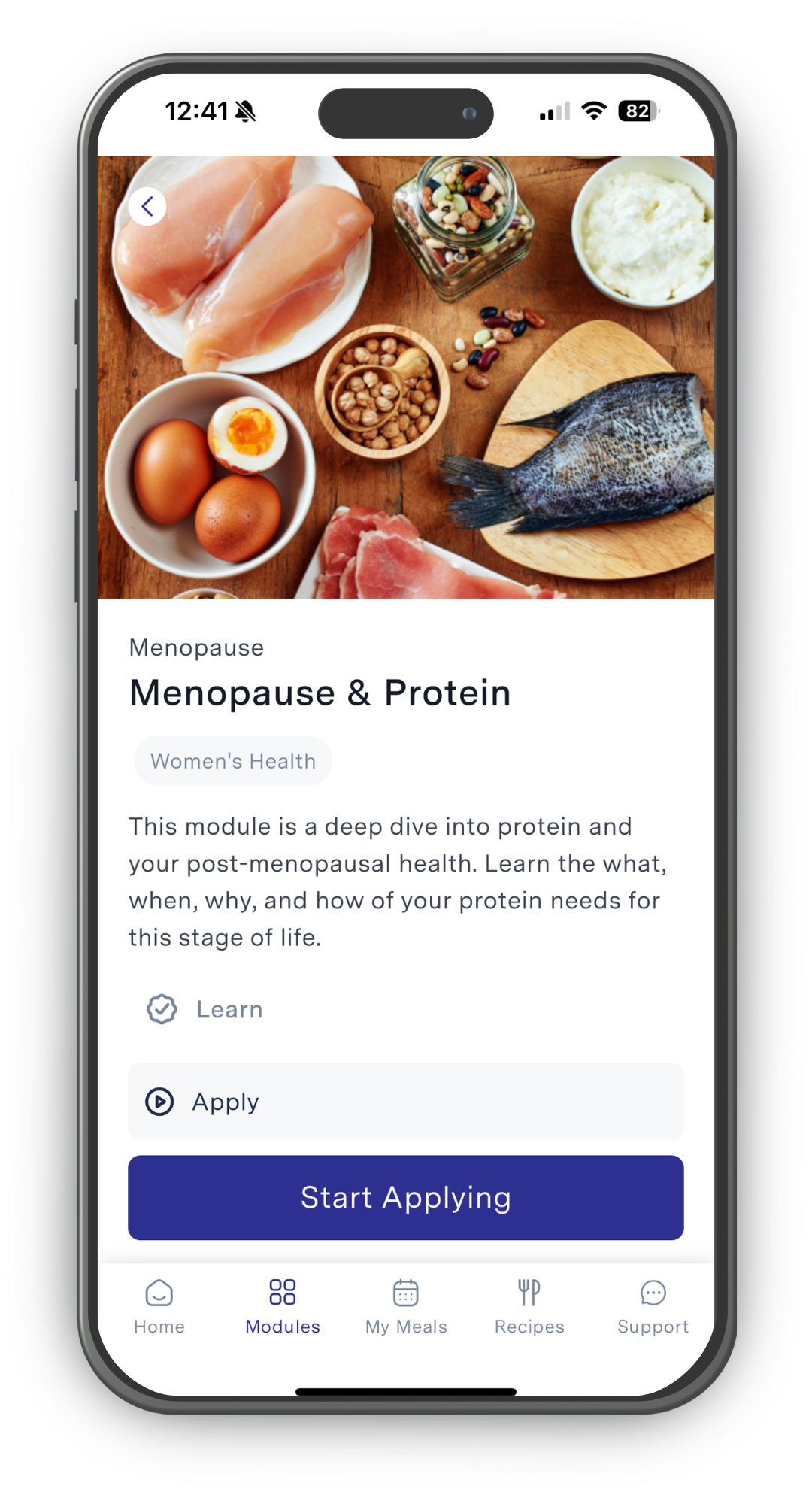
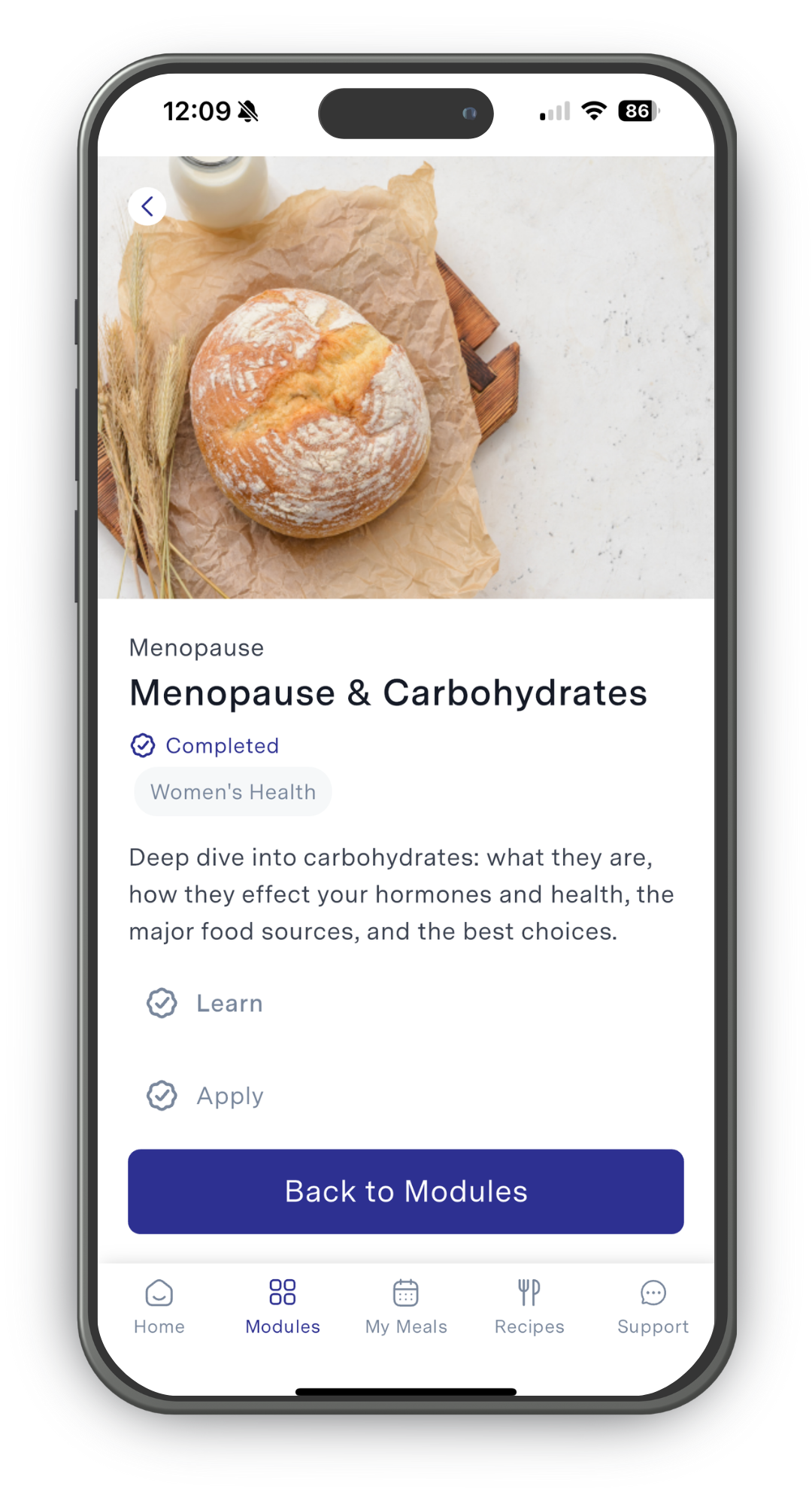
You’ll also find recipes, tips, and habit modules tailored to menopause, plus access to qualified nutrition coaching for personalised support.
Your next step
Start the Menopause Nutrition Pathway inside the Ayla Health app today Or book a one-on-one coaching session to get tailored support with your goals, lifestyle, and symptoms
You are not alone in this transition. With the right knowledge and support, you can feel strong, energised, and confident in your body again.
Get Ayla Health Now!
Download, sign up and access the entire recipe library for FREE!