One that fits your life
If you’ve been diagnosed with a condition such as PCOS, arthritis, heart disease or type 2 diabetes, you’ve probably heard the word inflammation mentioned more than once. And you’ve likely heard it in the context of your diet, with many an online expert claiming that certain foods are inflammatory and telling you to cut them out!
It’s become a bit of a buzzword, and as such is greatly misunderstood by the public and mainstream media. This is unfortunate because it’s an important concept to understand, as chronic, low-grade inflammation sits at the root of many long-term health conditions.
At Ayla Health, we teach evidence-based nutrition because we believe that this creates the best foundation for sustainable habits and food choices.
Are you keen to understand what inflammation is and how food and lifestyle habits can influence it? It is one of the most empowering steps you can take for your health.
Let’s explore the what, the why, and where to start.
What is inflammation?
Inflammation is one of your body’s natural defence mechanisms. When you get a cut or an infection, your immune system releases molecules to help heal the area. This is called acute inflammation, and it is entirely normal and essential.
Problems arise when this same immune response stays switched on over time, even without an apparent injury or infection. This is known as chronic inflammation.
Chronic inflammation can be subtle. You may not feel “inflamed”, but over time, it can contribute to insulin resistance, hormonal imbalance, joint pain, and an increased risk of
Why diet matters
While many factors influence inflammation, including your environment, genetics, stress, sleep, and physical activity, food is one of the most direct and modifiable factors we can use.
Evidence suggests that the food we eat can play a role in the production of pro-inflammatory chemicals in the body. Because specific dietary patterns have this effect, it’s suggested that they are anti-inflammatory and thus beneficial for our long-term health.
An anti-inflammatory way of eating is not a rigid plan or a list of “good” and “bad” foods. It is a flexible, balanced approach that supports your body’s daily needs.
Bonus: a dietary pattern shown to decrease inflammation, also helps us meet our micronutrient (vitamin & mineral) needs, and provides adequate and sustained energy. Plus, you can adapt it to suit your routine and preferences.
What an anti-inflammatory diet looks like
There is no single anti-inflammatory diet, but research consistently highlights a few key patterns.
Colourful plant foods
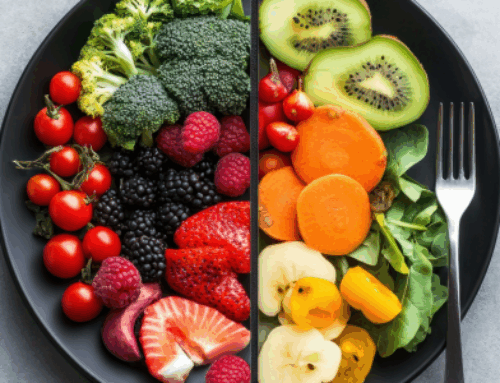
Fruits and vegetables are rich in antioxidants and phytonutrients that help neutralise inflammation-causing molecules. Aim for a variety of colours, such as berries, leafy greens, tomatoes, pumpkin, capsicum, and citrus.
Whole grains and legumes
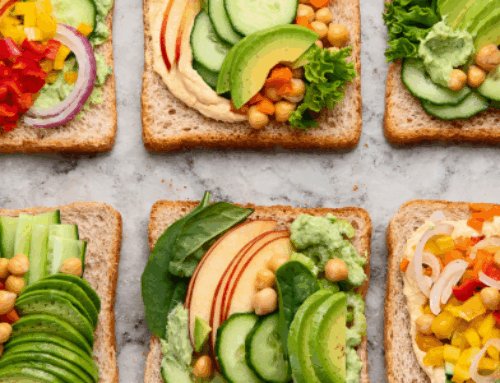
These foods provide slow-releasing carbohydrates and fibre that feed your gut microbes, which play a significant role in regulating inflammation. Oats, quinoa, brown rice, lentils, chickpeas, and beans are excellent staples.
Healthy fats
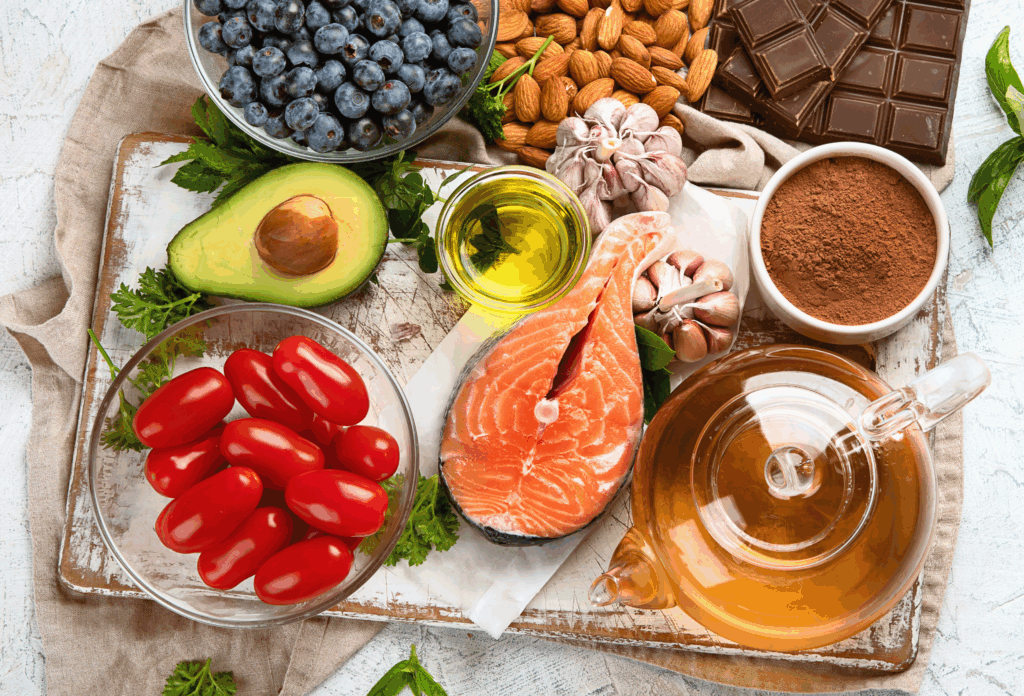
Omega-3 fats found in salmon, sardines, flaxseeds, chia seeds, and walnuts have well-established anti-inflammatory effects. Olive oil and avocado also provide healthy monounsaturated fats.
Lean proteins
Protein supports muscle maintenance and tissue repair. Include a variety such as poultry, fish, eggs, tofu, legumes, and nuts.
Herbs and spices
Ginger, turmeric, cinnamon, garlic, and rosemary not only add flavour but also contain bioactive compounds that help the body manage inflammation.
What to dial back
The goal is not to eliminate but to reduce the overall load from foods and habits that may add to inflammation over time.
- Highly processed snack foods and takeaway options (ultra-processed foods)
- Excess added sugars and sweetened drinks
- Refined grains such as cakes and pastries
- Chronic stress and poor sleep, both of which influence inflammation
- Alcohol is a major culprit of inflammation, and reducing it or cutting it out completely is recommended.
This is not about perfection. It is about patterns and small, sustainable changes that make your everyday eating work for your body, not against it.
Beyond food
Food is beneficial, but it is only one piece of the puzzle. Regular movement, stress management, and quality sleep all have anti-inflammatory effects as well.
That is why Ayla Health takes a whole-person approach to nutrition and health. Long-term well-being is not built from one habit, but from the way your habits work together.
Where to start
If you are thinking, “This all sounds great, but how do I actually do it?”, you are not alone. That is exactly why we created the Building an Anti-Inflammatory Diet module series inside the Ayla Health App.
You will learn:
- The science behind inflammation, explained clearly and simply
- How to build anti-inflammatory meals without overhauling your diet
- Practical meal ideas and recipes that fit your preferences and schedule
- Step-by-step habit modules that make these changes stick
It is not about cutting out food groups or following rigid rules. It is about learning how to eat in a way that supports your long-term health.
Learn how in the Ayla Health App
Start your first module now in the Ayla Health App and discover how small, consistent nutrition habits can make a lasting difference to your energy, gut health, and overall wellbeing.
Download Ayla Health Now!
Download, sign up and access the entire recipe library for FREE!