
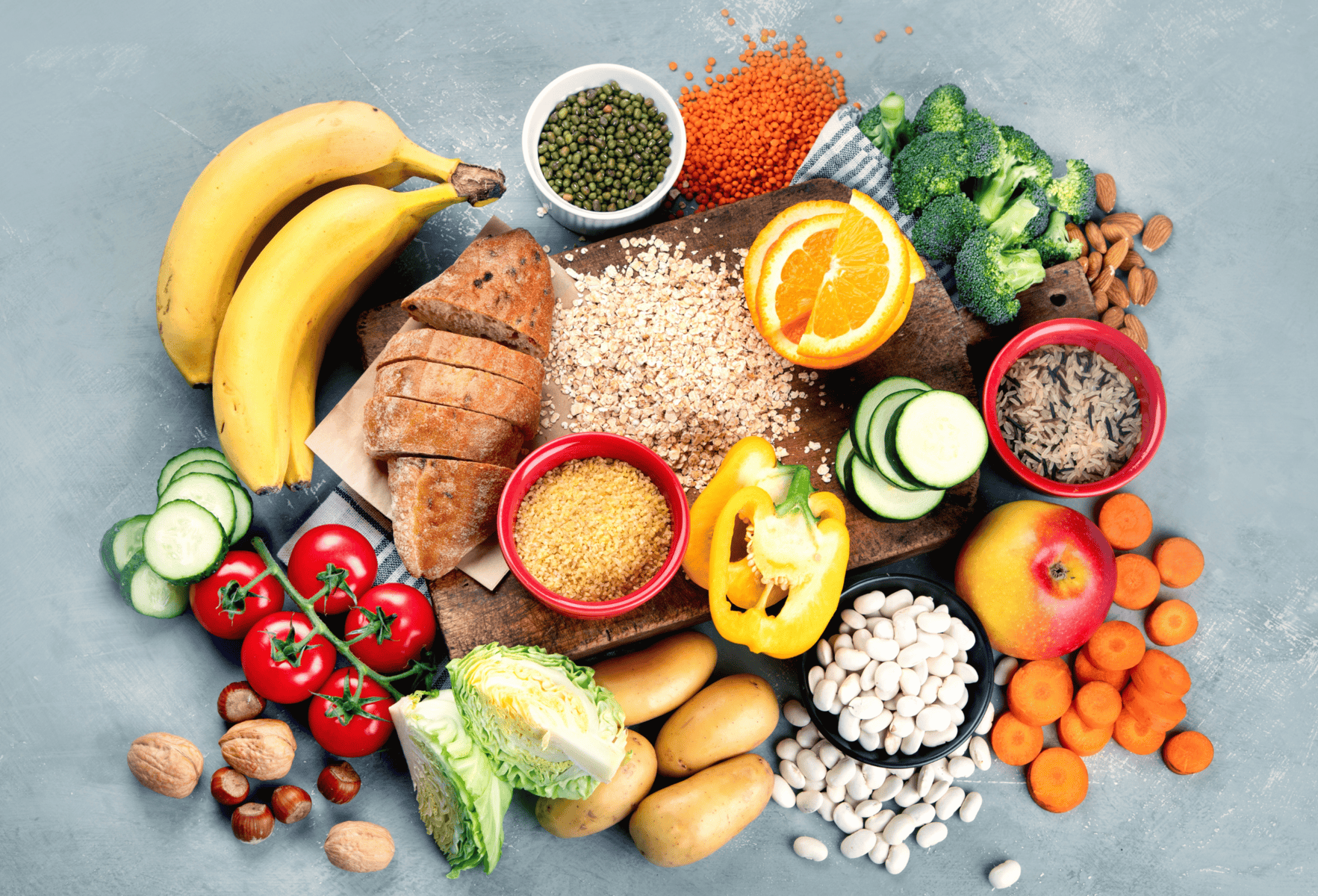
Carbohydrates have copped an absolute beating over the last couple of years. As such, they’ve ended up with a bad reputation, especially with the popularity of low-carb and keto diets and trendy eating plans. However, the reality is that carbohydrates are a crucial part of a balanced diet.
Not all carbs are created equal. When we say this, we’re talking about the foods in which carbohydrates are found. While ultra-processed foods with added sugars and refined carbs can lead to adverse health outcomes, whole-food sources of carbohydrates, such as fruits, vegetables, whole grains, and legumes, provide various health benefits.
In this article, we’ll explore 12 evidence-based reasons to embrace carbohydrate-rich foods in your daily diet.
1. Primary Source of Energy
Carbohydrates are the body’s preferred source of energy. When consumed, carbs are broken down into glucose, which fuels cells, tissues, and organs. Glucose is especially important for the brain, which relies almost exclusively on carbohydrates for energy. A steady supply of carbohydrates ensures optimal brain function, improved concentration, and mental clarity.
2. Support for Physical Performance
If you’re regularly physically active or an athlete, carbohydrates are your body’s main fuel source during exercise. Muscles store glucose as glycogen, which is broken down for energy during high-intensity workouts. These glycogen stores need to be replenished after exercise so you’re ready for the next session. You need to get this carbohydrate from your diet. Consuming carbohydrates before or after exercise can improve endurance, reduce fatigue, and accelerate recovery, helping you perform at your best.
3. Enhanced Brain Function and Mood
Carbs are linked to the regulation of serotonin, a neurotransmitter that plays a key role in mood and mental health. Very low-carb diets may negatively affect serotonin levels, leading to mood disturbances such as irritability and low energy. Adequate carbohydrate intake supports a balanced mood and improves cognitive function. This doesn’t mean you need to eat excessive amounts of carbohydrate. However, it’s one reason why trying to cut them out fully is not such a great idea.
4. Promotes Satiety and Aids in Weight Management
Carbohydrate-rich foods that are high in fibre (such as whole grains, fruits, and vegetables) can help you feel full longer. Fibre slows down digestion, keeping you satisfied between meals and helps you eat an adequate amount of energy for your body. As a result, high-fibre carbs can play a key role in helping your body find a healthy weight, thats right for you.
We highly recommend focussing on fibre and building your diet out of whole, minimally processed carbohydrate-rich foods as your primary goal and see any weight changes as a side effect of consistent diet quality.
5. Regulates Blood Sugar Levels
Not all carb-rich foods have the same impact on blood sugar. Complex carbohydrates, such as the ones found in whole grains and legumes, have a low glycemic index, meaning they release glucose slowly into the bloodstream, helping to maintain stable blood sugar levels. This is important for managing insulin resistance, type 2 diabetes, and metabolic syndrome.
It’s also important to remember that everyone is different and finding a sustainable carbohydrate intake to manage an underlying health condition or decrease risk of poor health might require some trial and error. Working with a qualified nutrition professional can help, like working with our nutrition coaches in the Ayla Health Virtual Clinic.
6. Promotes Digestive Health
Many carbohydrate-rich foods, especially those high in fibre, support digestive health. Fibre adds bulk to stools (your poo), aiding regular bowel movements and preventing constipation. A high-fibre diet is also linked to a lower risk of gastrointestinal disorders, including colorectal cancer.
7. Supports a Healthy Gut Microbiome
Certain carbohydrates, such as dietary fibres and resistant starches, act as prebiotics, feeding beneficial bacteria in the gut. These beneficial bacteria ferment these carbs, producing short-chain fatty acids that promote gut health, enhance the immune system, and reduce inflammation.
We’ve got some fun prebiotic snack ideas if you’d like to include more of them in your diet.
8. Improves Cardiovascular Health
Diets rich in whole, minimally processed carbohydrates (such as whole grains, legumes, vegetables and fruits) are linked to better heart health. These foods provide fibre, antioxidants, and essential nutrients that protect against cardiovascular diseases. On the other hand, diets high in refined carbohydrates and added sugars can increase the risk of heart disease. This is why it’s so important to focus on FOODS and not NUTRIENTS. Foods are not carbs, they contain carbs as well as a host of other nutrients and it’s food as a whole that promotes health, as part of the whole dietary pattern.
9. Supports Bone Health
Certain carbohydrate-rich foods, like those containing inulin-type fructans, may enhance calcium absorption and improve bone mineral density. This suggests that consuming fibre-rich carbohydrates could play a role in preventing osteoporosis and supporting strong bones as we age.
10. Reduces the Risk of Certain Cancers
High-fibre carbohydrates, such as those found in whole grains, legumes, vegetables and fruits, are linked to a reduced risk of colorectal cancer. Fibre fermentation in the colon produces short-chain fatty acids like butyrate, which have protective effects against cancer cells.
11. Improves Skin Health
A diet rich in whole carbohydrates can contribute to better skin health by providing essential vitamins, minerals, and antioxidants. These nutrients support the skin’s structure and function, helping to maintain a youthful appearance and reduce the effects of aging.
12. Enhances Immune Function
Carbohydrate-rich foods, particularly those containing prebiotics, can positively influence immune function. By fostering a healthy gut microbiome, these foods help regulate the immune system, making the body more resilient against infections and reducing inflammation.
Final Thoughts: Quality Matters
While carbohydrates are an essential part of a healthy diet, it’s important to focus on foods and where your carbohydrate is coming from. Whole, minimally processed carbohydrate-rich foods like fruits, vegetables, whole grains, and legumes provide a wealth of nutrients and health benefits. These foods are not only energy-dense but also nutrient-dense, offering a range of vitamins, minerals, and fibre that support overall health.
Incorporating a variety of these carbohydrate-rich foods into your diet can help you achieve and maintain optimal health, energy levels, and well-being.
If you’re worried about consuming carbohydrate, confused about where to start or just want to know you’re on the right track, our ‘Nourish Your Body’ pathway in the Ayla Health App will take you through everythign you need to know to build a healthy diet and help you build the habits that make it sustainable.